






Aneta Savova: The greatest strength of Bulgarian businesswomen is authentic leadership
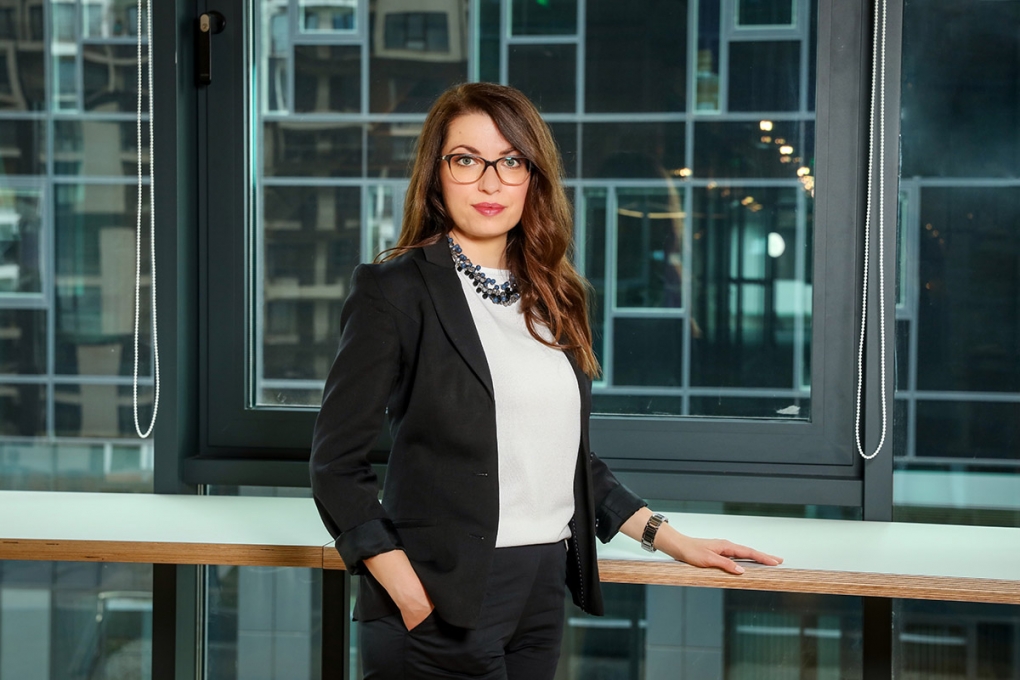
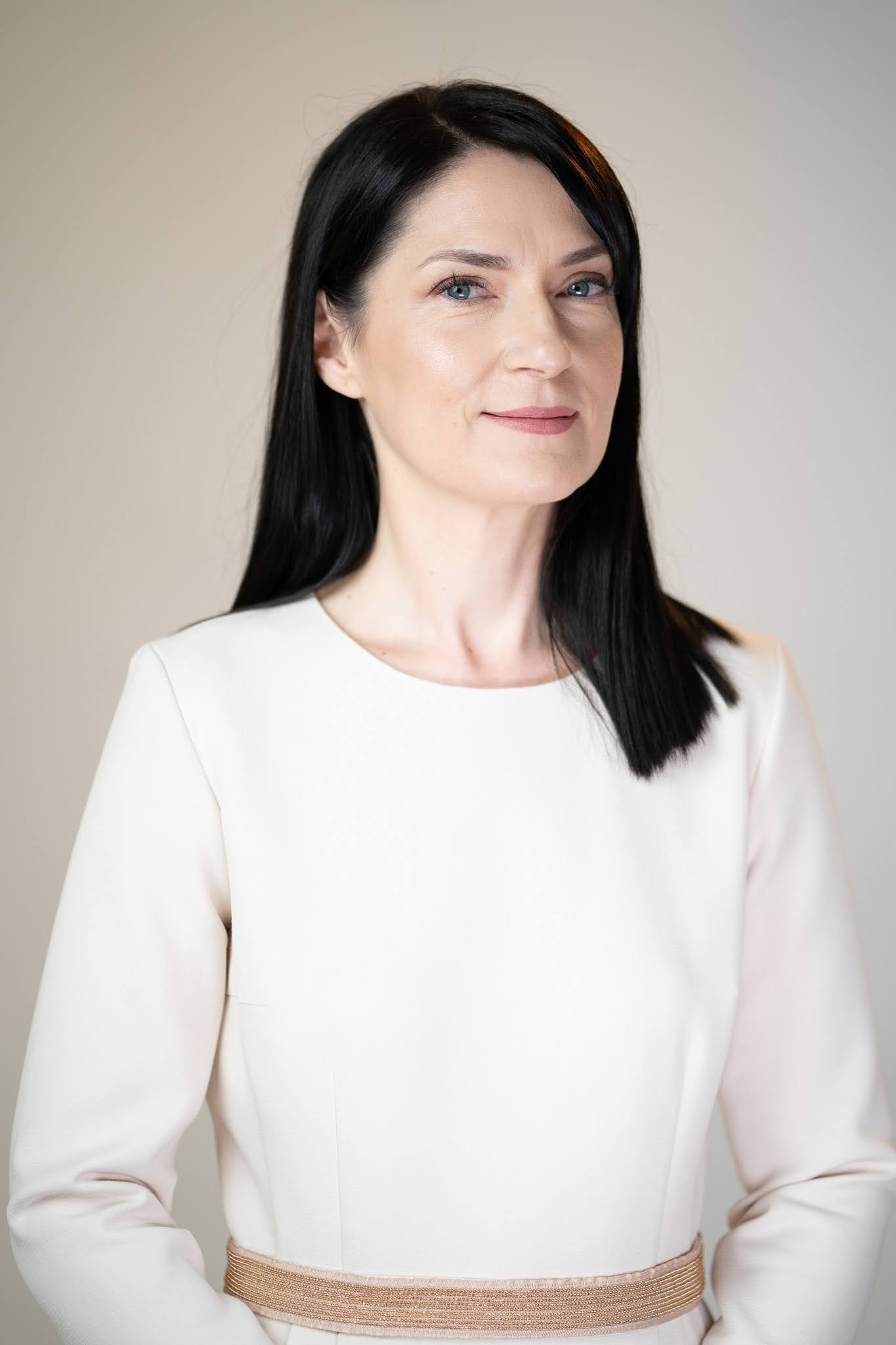
Aneta Savova is the founder of the media consulting company "Successful Women". She is a recognized business consultant on women's leadership, focusing on businesswomen in corporate management. She prepares the next generation of female leaders to play in the big league by helping them build personal, authentic, leadership brands, needed to reach senior management positions.
She is the host of the Women Speak Leadership podcast - the only Bulgarian business podcast dedicated to female leadership and the affirmation of businesswomen with authority and a strong leadership presence in the companies and organizations in which they work. Aneta also created the "Women's Leadership Brand" executive program which is the only one of its kind in Bulgaria.
Her book "The Woman I Created: The Personal Journey of a Female Leader" is ranked in leading positions in the business biographies category, alongside names such as Elon Musk and Richard Branson.
Aneta Savova is a speaker at TEDxWomen and winner of the Woman of the Year 2018 award, Belgrade, with a distinction in the category of promoting women's entrepreneurship and progress.
What are your observations on women in leadership positions in Bulgaria?
Female managers and leaders in companies and organizations in Bulgaria are distinguished by a confidence that is not present in a similar way in the West. This is a unique characteristic of the countries of the former socialist bloc because it gives us an advantage in an environment that is extremely demanding and dynamic. Most women leaders today grew up in families where their mothers also worked outside the home. Yes, they have combined the care of the household and their family with a profession, something that today is increasingly being asked as a question - how to achieve a balance. This is very important because it has created a pattern for both us as women and men in our society where the working woman is a normalized image. When you have a model going back in time where women have a profession it is only a matter of time before you accept as the norm women who are in leadership positions and run huge companies with significant resources. This has happened for Bulgarian society on a fundamental level and is an advantage that we today have the luxury of taking for granted.
Of course, many of the women in senior management positions today have reached these professional achievements by combining skills and models borrowed from their male colleagues because the environment suggested this type of leadership. Now, the environment is changing, and increasingly looking for empathy, communication, and holistic intelligence on many levels - all skills that are inherent in women. So, we talk about women's leadership, but it is more of a collective term for migration to qualities - that both women and men leaders need to be adequate, strong, and influential. Especially for businesswomen in Bulgaria, leadership is a matter of personal choice, not access, which is perhaps one of the greatest achievements of past social movements such as feminism.
What are the qualities that help a woman become a leader?
What I will share in response to this question will sound contradictory to what has been said so far, but it has its rationale. Contrary to expectations, women's deep commitment to the company's goals, loyalty, professionalism, team spirit, and responsibility is NOT the qualities that validate them as leaders but are qualities that sustain them to mid-career levels. What helps them stand out as leaders in their authentic leadership presence combined with strategic positioning and integrity. It sounds easier than it is in everyday life because being a deeply centered and authentic leader will put you in several conflict situations on many levels - with managers, colleagues in other departments, and employees on the team - and how you play out these situations, how you find the balance point, how you "trade" influence, how you withstand pressure are skills that determine whether a career woman will excel as a leader or not. It is with these skills that I work with my clients in the executive program The Female Leadership Brand.
What are the most common obstacles faced by women who want to establish themselves as leaders in companies and organizations?
Their doubts and learned patterns make them either seek approval and acceptance at any cost or reject the other's position, entering permanent fights. Both are signs of an unbalanced leader and create a toxic burden.
How do we become an authority in the company or organization, and make our voice heard by senior management?
By the time we need to prove our authority in the company, it is already too late. Building position and influence is a process that is a constant part of the work of leaders, and there is no time when you take a break from it or put it aside. It is an asset that you constantly develop to serve you in your otherwise mundane tasks. How does it feel? By making projects, plans, and goals happen more easily, your suggestions are accepted without fighting, and your opinion is often accepted without controversy. However, before you can start drinking from this sweetness, you must do a lot of work.
I often tell my clients that their professional tasks are only 50% of their job, and the other 50% is being a leader. In other words, they need to create a strategy for building acquaintances, alliances, and internal and external networks that add value to their professional reputation. By mid-level management, most women have brilliant resumes that set them apart as capable and sought-after professionals. Strategic positioning as a leader is the fine-tuning they need from here on out because it creates recognition and gives a value that materializes in higher compensation, more freedom of action, more resources, a bigger budget, etc.
How long is the path of change to the goal of becoming leaders?
I will reluctantly say that there is no end destination in this process. This is because professional development in today's world is circular. At each subsequent level, we start over with a new focus on the skills we need. So, it feels like a constant upgrade and enrichment in depth.
What is the role of women during a business crisis?
It turns out to be big. During the previous crisis (the financial year of 2008-2009), many analyzes appeared in sources such as HBR, Wall Street Journal, and Financial Times, summarizing what was happening with the financial fiasco. It became clear that hedge funds in the US that were managed by women or had women on their boards fared better in the crisis and cumulatively had higher annual returns. The main reason – is the moderate risk appetite of women in the financial industry, its management, and the high morale with which they approach the numbers in the reports. The current crisis has a different genesis, but again studies emphasize the role of women, including those at the state level, in managing it. This is because of the need of the environment and societies for empathy, adequate and timely communication, organization of complex processes, foresight and even prevention of processes, transparency, and sticking to difficult decisions once they are made. That is, we have on the one hand the empathy of women leaders and on the other – process management with a firm arm and ability. This is another name for centered leadership, and women who have the skills to be leaders and work out this balance are the ones making the headlines.
We live in a time of many changes. How should women motivate the teams they manage so that they maintain maximum efficiency and gain the trust of employees and management?
If I can answer in one sentence, it is by directing their communication in a way that meets the needs of different stakeholders - team members, colleagues, and managers. We all know that women are generally good communicators. But their role as a leader in a company requires them to steer it in the right way.
For example, in the context of a pandemic, a key task for a leader in motivating the team is to approach with empathy, and understanding, and address their anxiety. This is the first need they have to maintain their cohesion and commitment. Only then comes the need to create an adequate framework for work, communicate clear expectations and give timely feedback. These things, although coming second in a crisis, are very important. Women in management cannot afford to sacrifice the vision for their team and business unit because they fear an emotional reaction from employees, for example. The trust of the team is vitally important and it requires both understanding and clear rules, work structure, and accountability because only then is an environment of security created in which employees feel motivated and protected.